Tracing questions of ethics and spirituality through the living chain of Jewish tradition
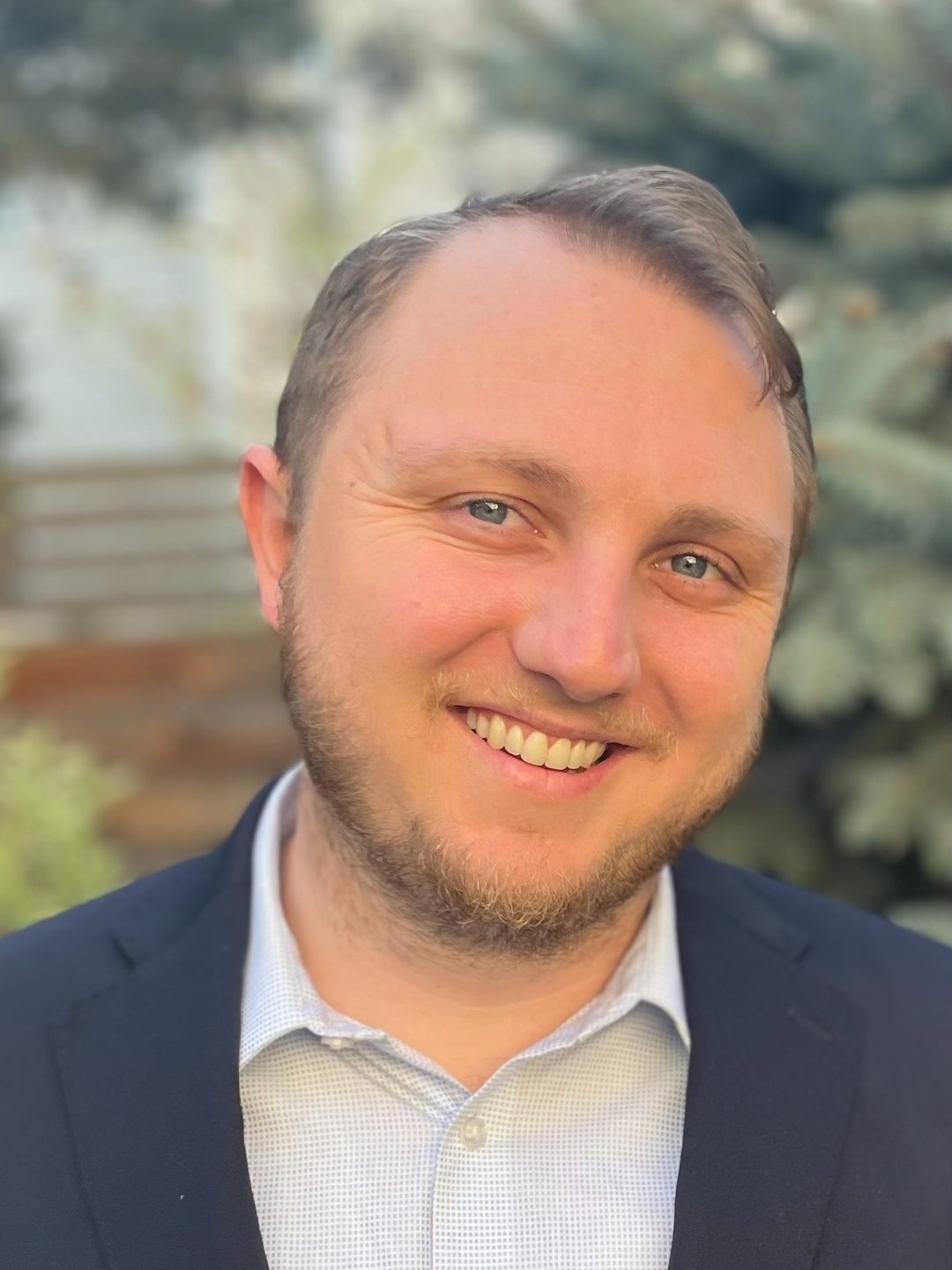
Torah is a living conversation — and it needs your voice. My work is to move through the whole chain of Jewish literary tradition as a single, ongoing argument about what it means to be human and Jewish right now.
“For as long as I can remember, I have yearned for opportunities to learn Torah, which continue to represent uniquely valuable openings to be in conversation with countless generations of Jews who learned these same origin stories, ethical precepts, and ritual actions. Contributing to this endless Jewish chain of conversation, within which our texts and traditions inform our debates about how to reach for the world we dream about, animates my daily life.”
My love for Torah began early — in the day school classrooms and Shabbat morning Torah study sessions of my childhood synagogue in Tampa, where I discovered that serious engagement with Jewish texts could open an intergenerational conversation that included me. It was at NFTY and Kutz camp that I discovered a second vocation alongside learning: facilitating that encounter for others, helping peers find their own entry points into Torah and Jewish life.
At Florida State University, where I studied Religion and Middle Eastern Studies, I encountered the full breadth of human religious experience — and discovered that serious academic engagement with other traditions deepened rather than diluted my Jewish commitments. I facilitated interfaith dialogue and Jewish campus life, learning that the question of how religion shapes meaning and community is one I wanted to spend my life exploring — from the inside of my own tradition.
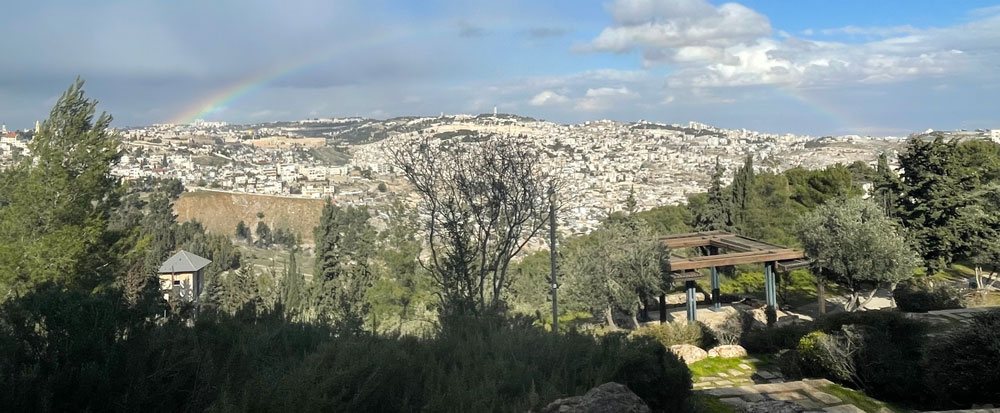
From there, a winding path led through Jerusalem, Pardes, Hadar, Drisha, and finally to Hebrew College in Newton, MA, where I found the beit midrash home I had been looking for. My rabbinical capstone — Beautiful Jews: Selected Translations and Interpretations of the Sermons of Rabbi Yisroel Shalom Yosef of Bohush — reflects the work that animates everything I do: close, empathetic reading of a Hasidic teacher in his particular historical moment, opening his wisdom to a new generation. Contributing to the research and editing of a published intellectual biography of Levi Yitzhak of Berdichev gave me a model of scholarship I aspire to: rigorous, historically grounded, and deeply attuned to the inner world of the teacher being studied.
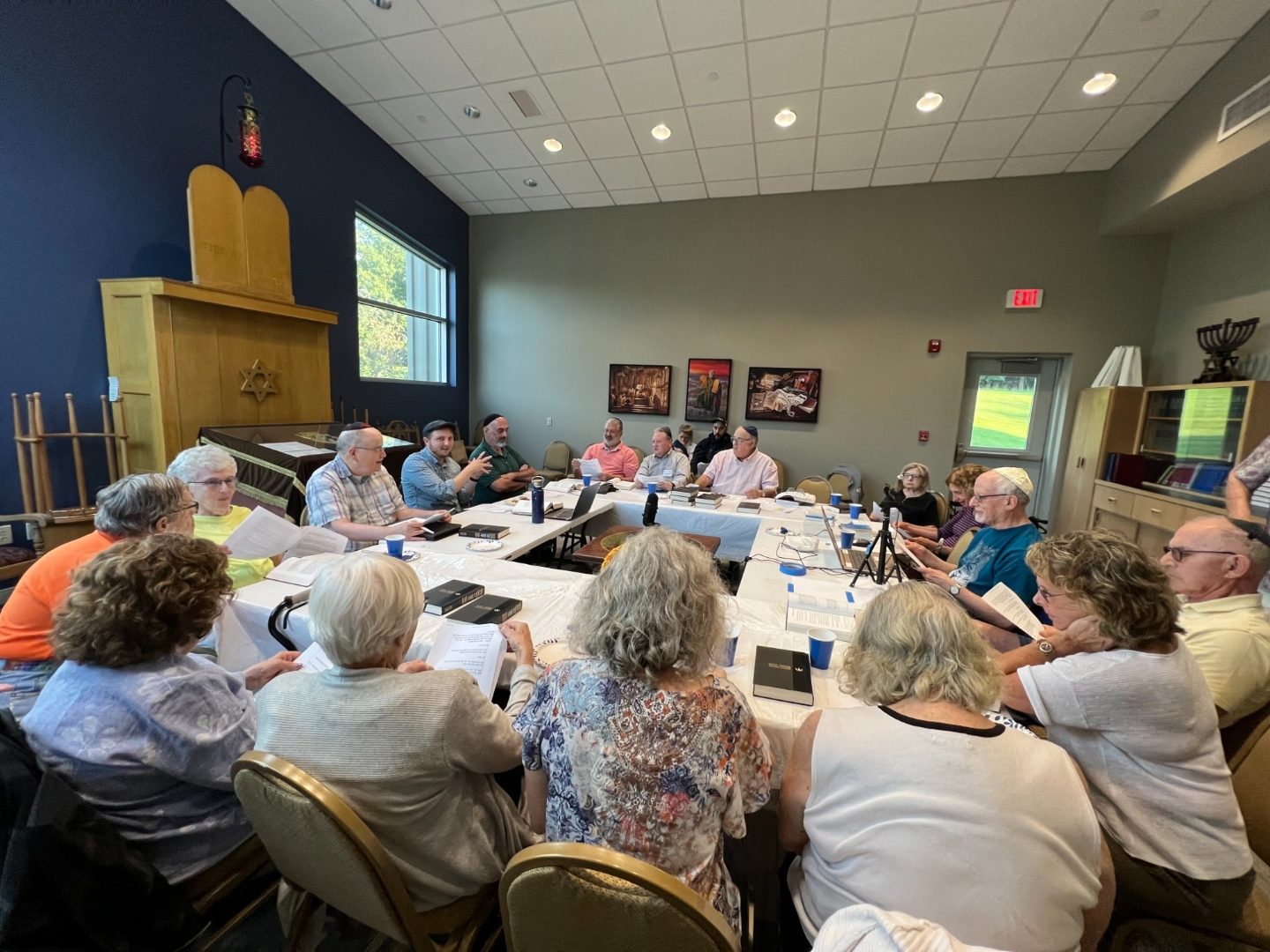
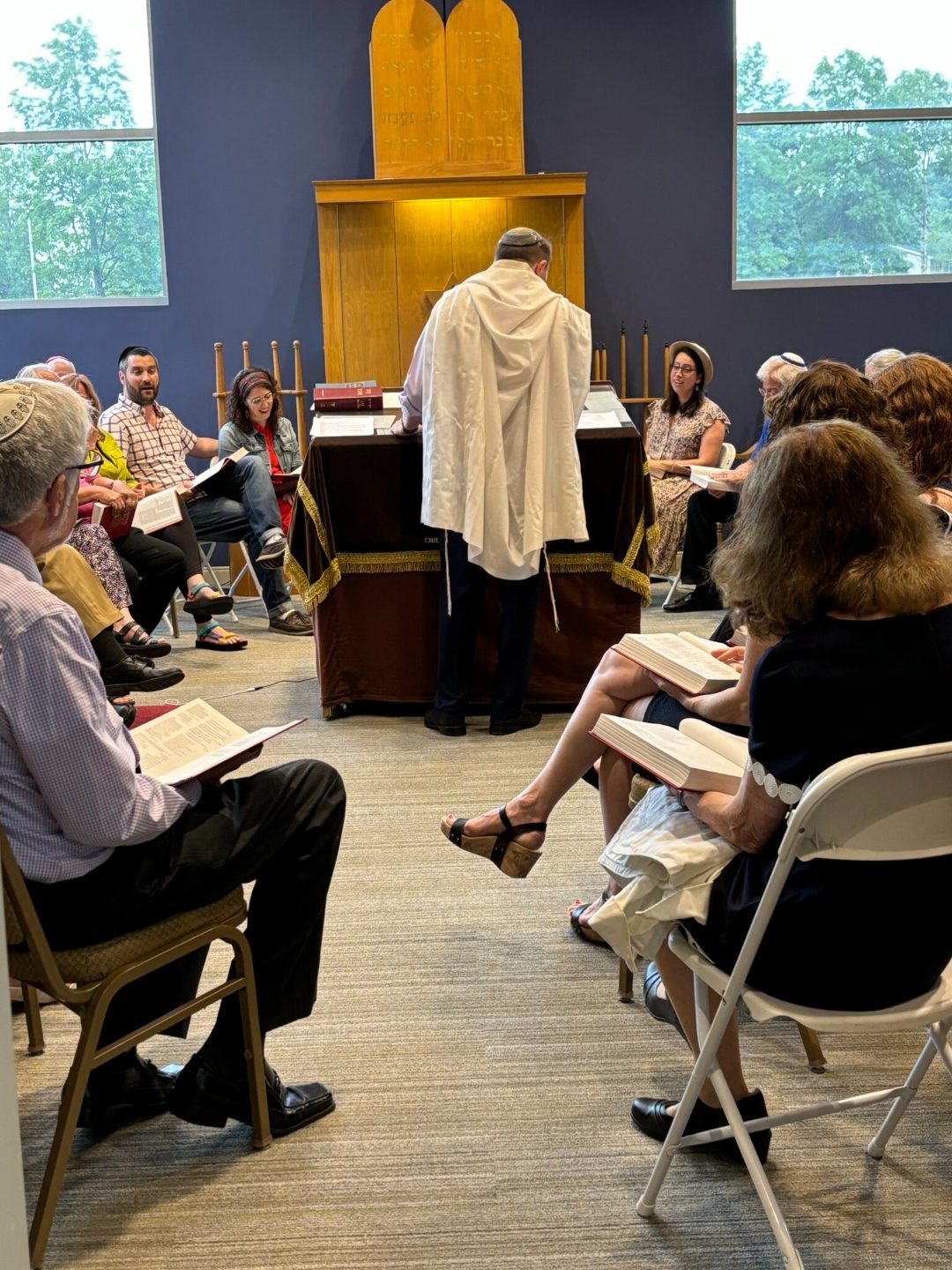
Since ordination I have served as rabbi of Temple Israel of Vestal, leading a Conservative congregation through a period of real growth. In my first months there I designed and taught a six-session course on the origins and architecture of the Siddur — one of the most rewarding teaching experiences of my rabbinate — alongside courses on the High Holiday Mahzor, Talmudic narratives, Jewish mourning customs, and the Book of Esther.
My religious outlook is grounded in a halakhic-egalitarian approach that takes Jewish legal discourse seriously and seeks to open it up to all who want to learn — newcomer and expert alike.
Beyond teaching and scholarship, I consider it an honor and a privilege to accompany people and families through times of illness, loss, and life transition. Pastoral care — the quiet, unhurried work of being present with someone in difficulty — is among the most sacred dimensions of the rabbinate, and one I bring the same attentiveness and preparation to that I bring to the bimah and the beit midrash.
Rather than organizing by format — sermons here, papers there, courses elsewhere — I’ve organized my work by the questions that animate it. Each theme runs through my teaching, writing, and scholarship simultaneously.
“The blessing is not a reward for listening and acting in accordance with the mitzvot. The berakha is not a sort of candy handed to us as a treat for following the rules. Rather, the berakha is the listening to the mitzvot. Listening to the Torah and internalizing our desire to act in accordance with it is the greatest pleasure available to us. This listening is a blessing in and of itself.”
Source sheets are one of the most distinctive tools of Jewish pedagogy — a curated gathering of texts from across the tradition that invites the learner into a conversation. These sheets are available to read, study, and share.
Whether you are a community seeking a teacher-in-residence, an editor or publisher with a project, a student wanting to learn, or someone who encountered a teaching and wants to continue the conversation — I would be glad to hear from you.
I am available for workshops, Shabbat scholar-in-residence programs, adult education courses, academic speaking invitations, and writing commissions in the areas of Hasidic thought, Jewish mysticism, exile and diaspora, Jewish ethics, prayer and liturgy, and contemporary Jewish theology.